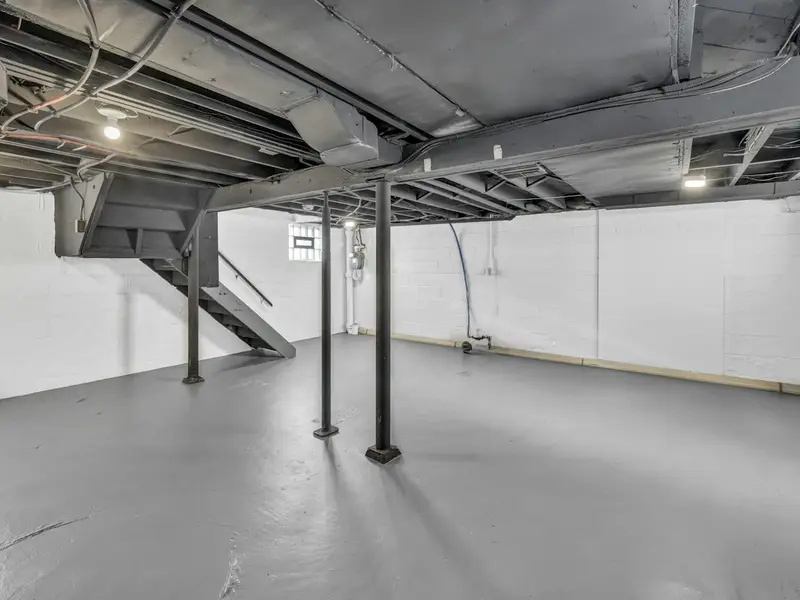
Walking downstairs into an inch of water is one of the worst ways to start a day. In a lot of Englewood homes, the basement is where the main shut-off, the water heater and the laundry hookups all sit, so it's also where pipes and fittings tend to let go. And because water runs downhill, even a pipe that burst on the main floor can end up in the basement.
Before you go down there
- Shut off the main water valve, often right where the water line comes through the basement wall
- Take photos and a short video of the water and anything sitting in it
- Move boxes, rugs and electronics to a dry area if it's safe to reach them
Finished vs. unfinished basements
Unfinished basement
Concrete floor and block walls handle water better. Most of the work is extraction, cleaning and drying the framing, stairs and anything stored down there.
Finished basement
Carpet pad, drywall and baseboards soak up water fast. We usually remove wet pad, check how high water wicked up the drywall, and dry the wall bottoms.
How we clean up a burst pipe in the basement
Water removal
We use pumps for deep water and truck or portable extractors for carpet and concrete. On carpet, the pad underneath usually holds most of the water, so it often comes out even when the carpet itself can be saved and re-laid.
Walls and framing
Drywall pulls water up from the floor. We measure how high it went and decide between drying in place or cutting a straight line a little above the wet mark, called a flood cut. Wood bottom plates and stair stringers get dried in place.
Drying a basement properly
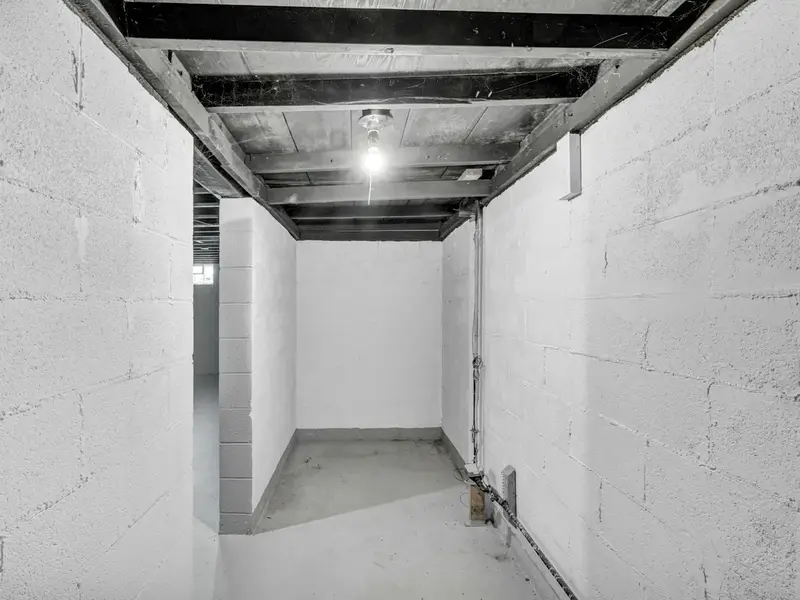
Basements stay cool and damp, so they dry slower than upstairs rooms. We set dehumidifiers sized for the space and keep air moving along the wall bottoms. Read more on water extraction and drying.
What can usually be saved
- Often saved: the carpet itself (if the water was clean and it's caught early), concrete, block walls, framing, most furniture
- Often replaced: carpet pad, soaked drywall bottoms, particleboard furniture and cabinets that swelled
- Boxes and paper: move them out first, they're the fastest to grow mold
When the water isn't from a clean pipe
A burst supply line is clean water. A backed-up floor drain or sewer line is not, and it changes how the cleanup is done. If the water smells or came up through a drain, tell us when you call so we come prepared.
Basement water removal across Englewood
Plenty of Englewood homes have basements, from older full basements near downtown to finished lower levels in the newer neighborhoods. We handle burst pipe basement cleanup in every Englewood ZIP code, 80110 through 80113, plus Sheridan, Cherry Hills Village and north Littleton.
Whether it's a split line by the water heater, a washing machine hose or a pipe that froze in a cold corner, the steps are the same: water out, walls checked, basement dried and verified.
Areas we cover: Englewood 80110, Englewood 80111, Englewood 80112, Englewood 80113, plus Downtown Englewood, Cushing Park, Belleview Park and Arapahoe Acres.
Basement burst pipe questions
How long does it take to dry a basement after a pipe bursts?
Usually three to five days, sometimes a bit longer because basements are cool and humid. We measure every day and only remove equipment when the readings are normal.
Can I save my basement carpet?
Often yes, if the water came from a clean supply line and it's dried within a day or two. The pad underneath is usually replaced because it holds water.
Should I run a shop vac and fans myself?
It helps for a small puddle. For a flooded basement, the water in the pad, the drywall bottoms and the framing needs dehumidifiers to dry, or mold can start within a couple of days.
Does insurance cover a burst pipe in the basement?
Sudden pipe bursts are usually covered. Gradual leaks and flood water from outside are often treated differently, so document everything and call your insurer early.