Fastest way to an answer
Tell us which room, how long the water ran and whether it reached the floor below. That's enough to explain the likely scope on the phone.
(720) 712-9882A pipe let go and now there's water on the floor, a drip from the ceiling or a soft spot in the wall. We remove the water, find what soaked in, and dry your home properly so it doesn't turn into mold or a bigger repair later.
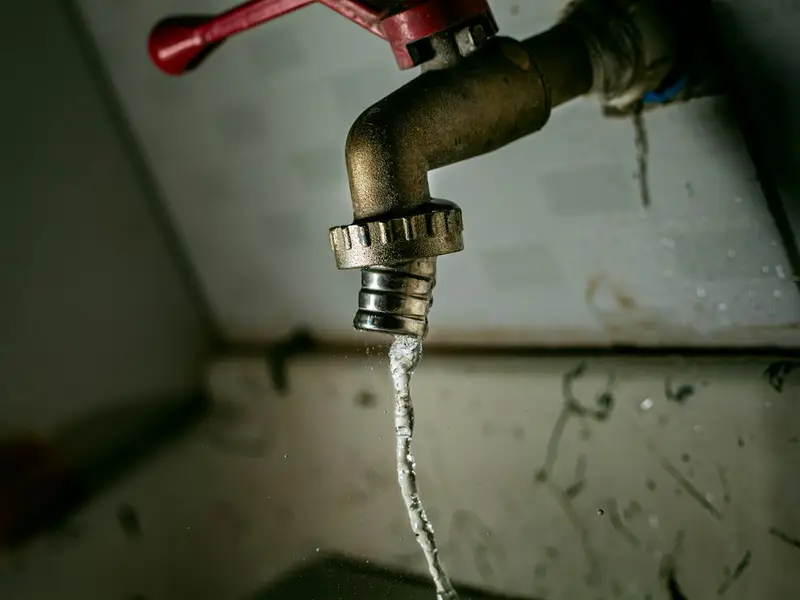
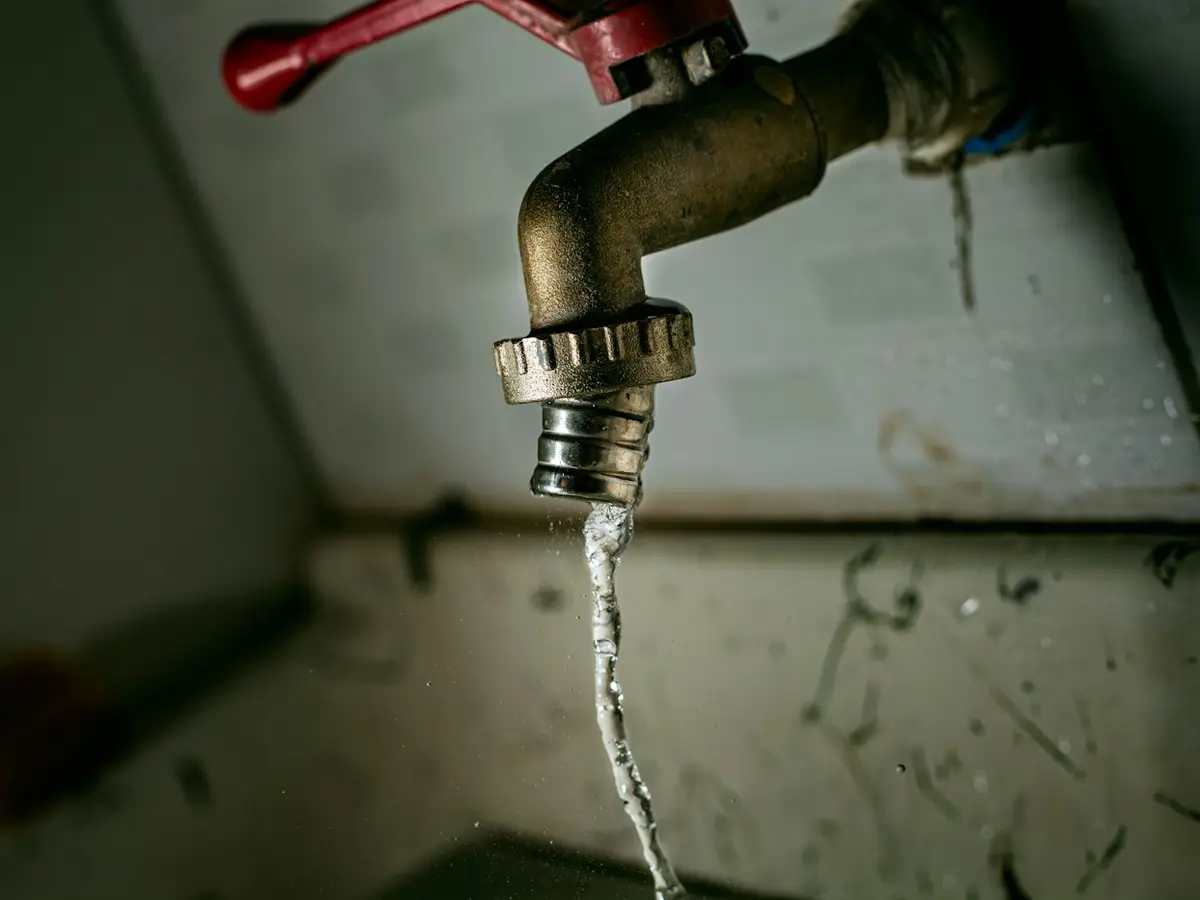
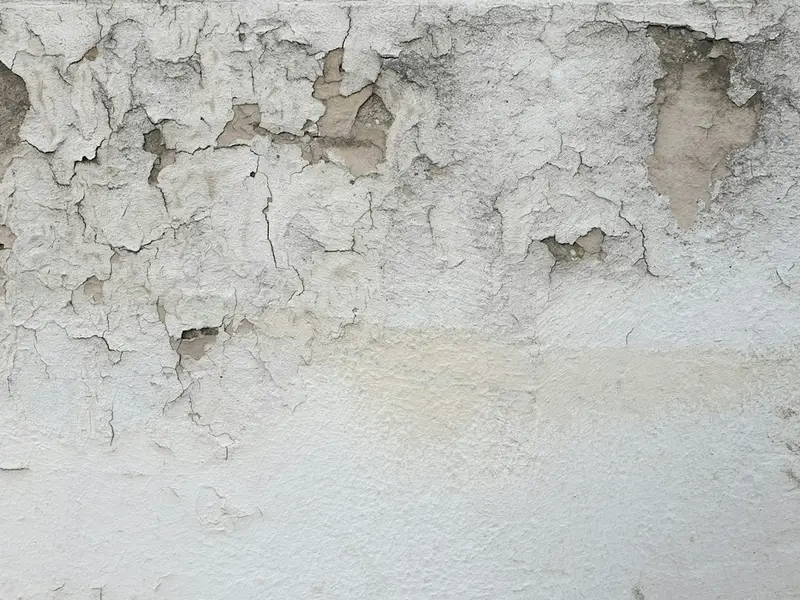
When a supply line splits, water runs under baseboards, into the wall cavity and down through the floor. That hidden part is what causes warped floors, stains and mold weeks later.
Drywall wicks water up like a sponge. Carpet pad holds it underneath while the carpet top feels almost dry.
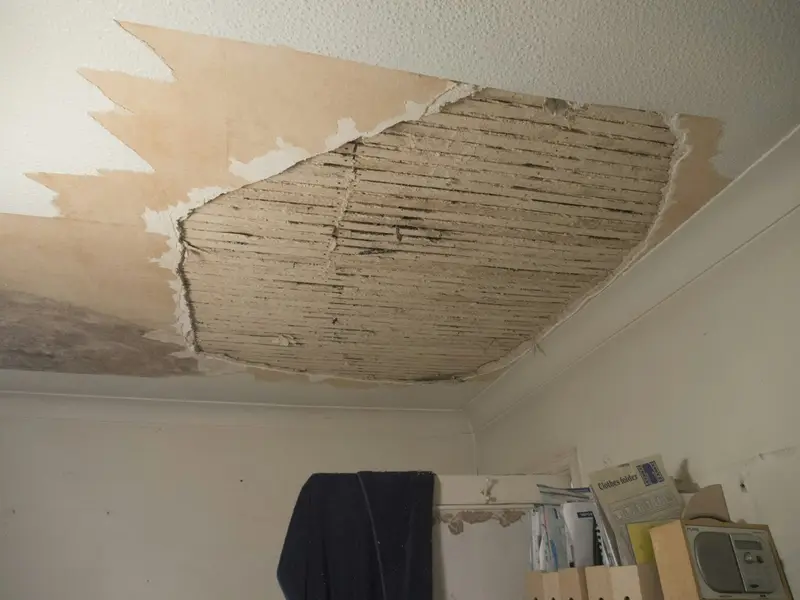
A burst pipe upstairs often shows up as a stained or sagging ceiling below, sometimes hours later.
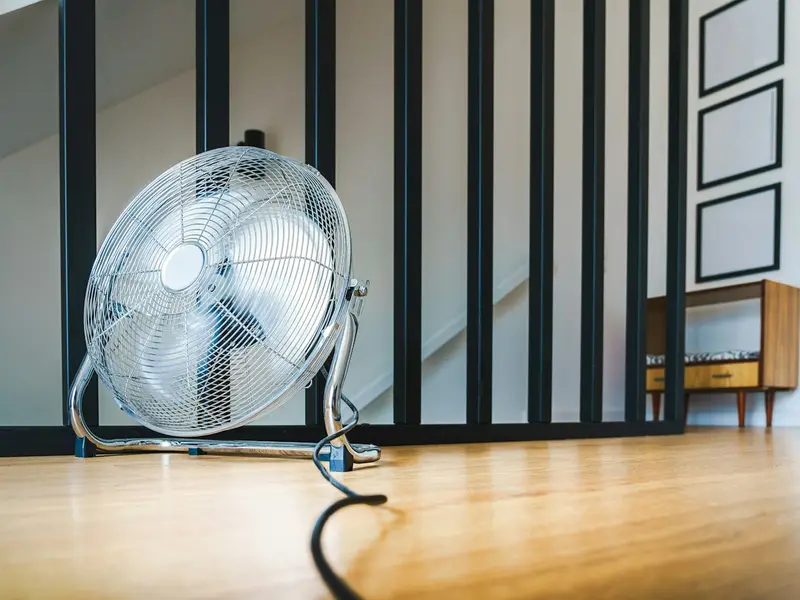
A box fan dries the surface. The water inside the wall and under the floor needs real dehumidifiers and air movers.
Every burst pipe is different. Pick the one that sounds like your home, or just call and describe it.

Pipes that split in a cold snap, cleaned up and dried before the damage spreads.
Learn more →
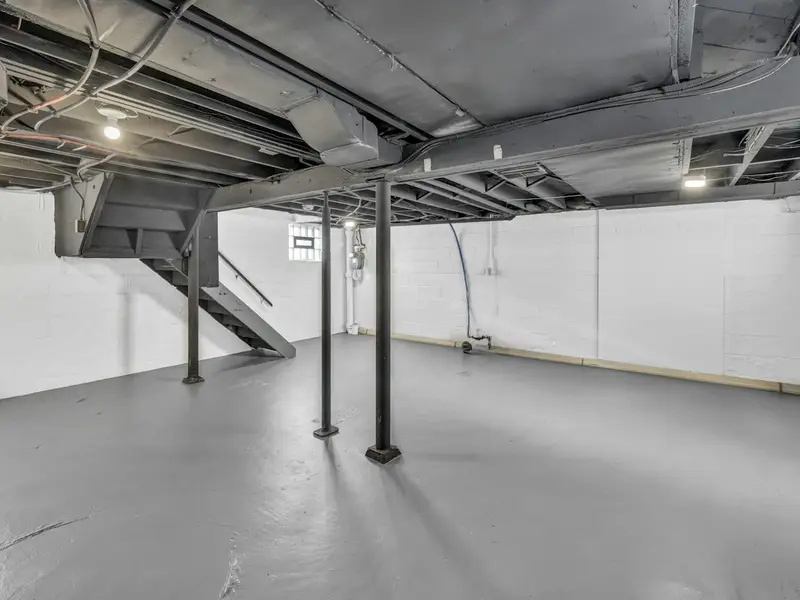
Standing water pumped out, carpet and walls checked, and the basement dried out.
Learn more →
Bulging or dripping ceilings made safe, opened only where needed, and dried.
Learn more →
Hidden water inside walls found with meters, then dried with the smallest openings.
Learn more →
Pumping, extraction and drying with daily moisture checks until the readings are right.
Learn more →Shut-off steps, what to photograph for insurance, and what not to do while you wait.
Read the steps →
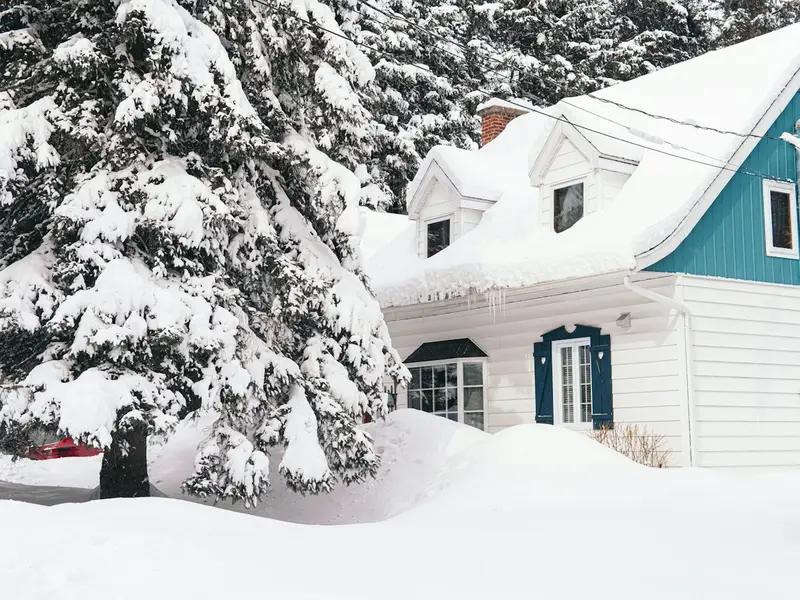
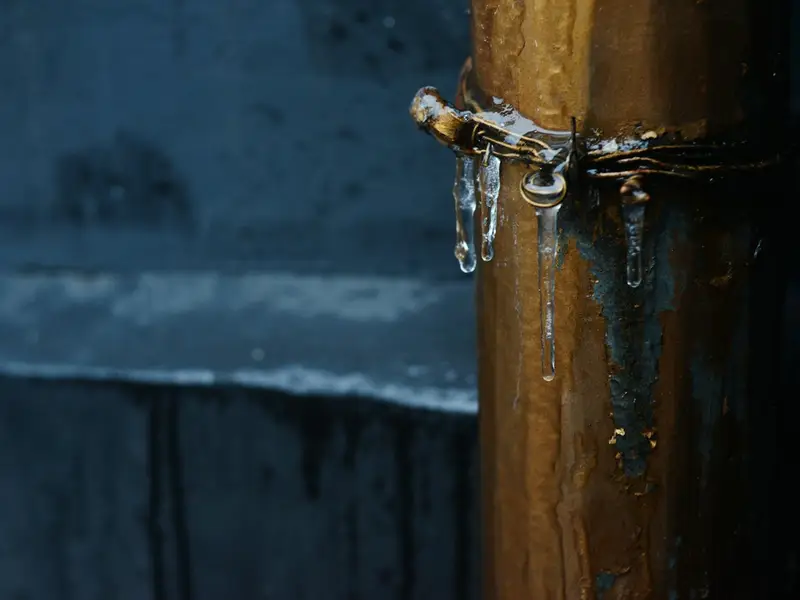
Colorado can swing from a mild afternoon to well below freezing overnight. Pipes in outside walls, crawl spaces and garages are the first to freeze. More on frozen pipe water damage.
Many Englewood houses have decades-old supply lines and basements. Older fittings and pipes in unheated corners split more easily under pressure.
A frozen pipe often doesn't leak until it warms up. That's why people find water hours later, sometimes after coming home from work or a trip.
Every job is priced on what's actually wet. Here's how the work usually breaks down, from the simplest jobs up.
Tell us which room, how long the water ran and whether it reached the floor below. That's enough to explain the likely scope on the phone.
(720) 712-9882From the older streets near downtown Englewood to the neighborhoods by Cherry Hills and Greenwood Village, we cover every Englewood ZIP code and the nearby south Denver suburbs.
Shut off the main water valve, then turn off power to any room where water is near outlets or cords. Move what you can off wet floors, take photos for insurance, and call us. Our first-steps guide walks through it.
Clean water soaks into drywall, carpet pad and wood within hours. After about 24 to 48 hours of staying wet, mold can start, and the water slowly loses its 'clean' status. That's why drying starts the same day if we can get to you.
Usually not. The plumber fixes the pipe. We deal with the water the pipe left behind: in the carpet, under the floor, inside walls and in the ceiling. Most homes need both.
Most standard policies cover sudden water damage from a burst pipe. Slow leaks that went on for weeks, or damage from a home left unheated, are often treated differently. We document moisture readings and photos so your adjuster sees exactly what happened.
Most rooms dry in about three to five days with commercial air movers and dehumidifiers. We check readings every day and only pull equipment when the materials are back to normal.
Not always. We measure first. Many walls dry with small holes near the base or with air pushed into the cavity. Drywall only comes out when it's soaked through, swollen or the water wasn't clean.
Call and tell us where the water is. We'll explain the next steps and what the cleanup should involve before any work starts.